
Metal Detector Reviews 2025: Top 5 Must-Have Picks for Treasure Hunters
Last updated: 11th October

Have you ever stood on a beach or near ancient ruins, watching your metal detector tremble with faint, uncertain signals—only to miss the exact spot where treasure might be buried? Those false alarms and signal fluctuations caused by poor sensitivity or interference can easily make you overlook valuable finds during crucial searches. Ordinary detectors often struggle to perform consistently in complex terrains or mineralised soils, where environmental factors can severely affect stability. So why not consider a more professional and reliable way to enhance your detecting experience?
A high‑precision digital metal detector could be exactly what you need. Equipped with advanced multi‑frequency synchronisation technology and an intelligent ground‑balancing system, it effectively identifies and filters out signals from soil mineralisation, electromagnetic interference, and unwanted metals, ensuring stable detection depth and accuracy. Whether you’re a treasure‑hunting enthusiast, an archaeologist, or a security professional, this detector allows you to capture genuine signals from deeply buried targets with clarity—be it on sand, grass, or among building debris.
Compared with standard consumer‑grade models, professional metal detectors offer far greater adaptability and customisation. They allow you to fine‑tune frequency responses to match different metals such as gold, silver, copper, and iron, and include practical functions like ground calibration, noise suppression, and waterproof operation. What’s more, many high‑end models come with real‑time visual interfaces and coordinate tracking, enabling you to map detection areas, review signal strength, and even estimate the approximate shape of a buried object. In short, owning a high‑performance metal detector is like having an “X‑ray vision” for exploration—helping you home in on targets with precision, even in challenging environments, and ensuring you never miss a potential discovery.
If you’re considering purchasing a metal detector that truly suits your needs, read on for our comprehensive buyer’s guide. Discover how to choose the ideal model based on your environment, target metals, budget, and functional requirements—and unleash your passion for exploration as you embark on a journey of precise, rewarding discoveries!
Key Features to Prioritise
Detection Stability and Accuracy
- Utilises multi‑frequency synchronisation technology or an intelligent ground‑balancing system to reduce interference from soil mineralisation.
- Offers strong depth retention and precise target discrimination.
- Provides stable, clear signal responses with a low false‑alarm rate.
Portability and Structural Design
- Moderate weight and comfortable grip, suitable for extended outdoor use.
- Detachable or foldable design for easy transport and storage.
- Waterproof and dust‑resistant construction, ideal for beaches, fields, and other outdoor environments.
Smart and User‑Friendly Functions
- Digital display with real‑time target identification (e.g. metal type icons).
- Customisable detection modes such as All‑Metal, Discrimination, and Pinpoint.
- GPS positioning and detection log recording functions.
- Wireless audio output and mobile app data synchronisation support.
Battery Life and Power Options
- Long‑lasting battery design (recommended runtime: 8 hours or more per use).
- Universal battery compatibility or USB charging, convenient for field use and recharging.
- Low‑battery warning and power‑saving standby mode.
项目 #5
Common Issues to Avoid
Incompatibility with the Environment
- Not optimised for highly mineralised soils, wet sand, or near‑water operations.
- Lacks frequency adjustment, making it susceptible to electromagnetic interference.
Overly Complex Operation
- Complicated menus that are inconvenient to adjust outdoors.
- No simplified learning mode, resulting in a steep learning curve for beginners.
Poor Materials and Durability
- Non‑shock‑resistant and fragile body, easily damaged in field conditions.
- Non‑durable or non‑waterproof search coils, with loose connection points over time.
Performance Risks from Low Pricing
- Equipped with low‑sensitivity sensors, leading to insufficient depth and accuracy.
- Lack of after‑sales support and limited spare‑part availability, increasing long‑term costs.
The greatest advantage of a metal detector lies in its ability to precisely locate metal targets while maintaining stable identification performance. By minimising environmental interference and false signals, the detection process can achieve a level of reliability approaching that of professional geological surveying.
With the continuous advancement of detection technology, modern metal detectors now offer an increasingly diverse range of features—meaning that “basic detection” is no longer the sole measure of performance. High‑quality detectors are typically equipped with intelligent display screens and multi‑function operating systems, supporting advanced features such as target classification, depth indication, and automatic ground balance adjustment. Some even integrate GPS positioning and data recording to enable smart exploration management.
However, when comparing the technical specifications and functions of different models, it becomes clear that premium detectors often carry a significant brand markup. Many models with similar performance levels can differ in price by as much as 50% simply due to brand reputation. In addition, professional‑grade detectors often require specialised coils, protective waterproof covers, or even dedicated data‑analysis software, which can further increase the overall investment.
The good news is that, thanks to the wider adoption of technology and growing market competition, there are now several cost‑effective metal detectors available that strike an excellent balance between performance, durability, and price. In the following sections, we’ll outline the key evaluation criteria to consider when making your purchase and introduce four recommended models suited to different usage scenarios—helping you begin your journey towards precise detection with confidence and a sensible budget.
Eight Core Evaluation Criteria for Metal Detectors
- Target Identification Capability
- Detection Depth and Accuracy
- Environmental Adaptability and Protection
- Human–Machine Interaction and Ease of Use
- Display and Alert System
- Battery Life and Power Design
- Structure and Portability
- Certification and Safety Assurance
The Five Best Entry‑Level Metal Detectors of 2025
Over the past three months, we tested 16 different metal detectors. Based on our experts’ assessments and thousands of user reviews, the following five models stood out as the very best choices:
1. MuxTool GT3028 Underground Metal Detector
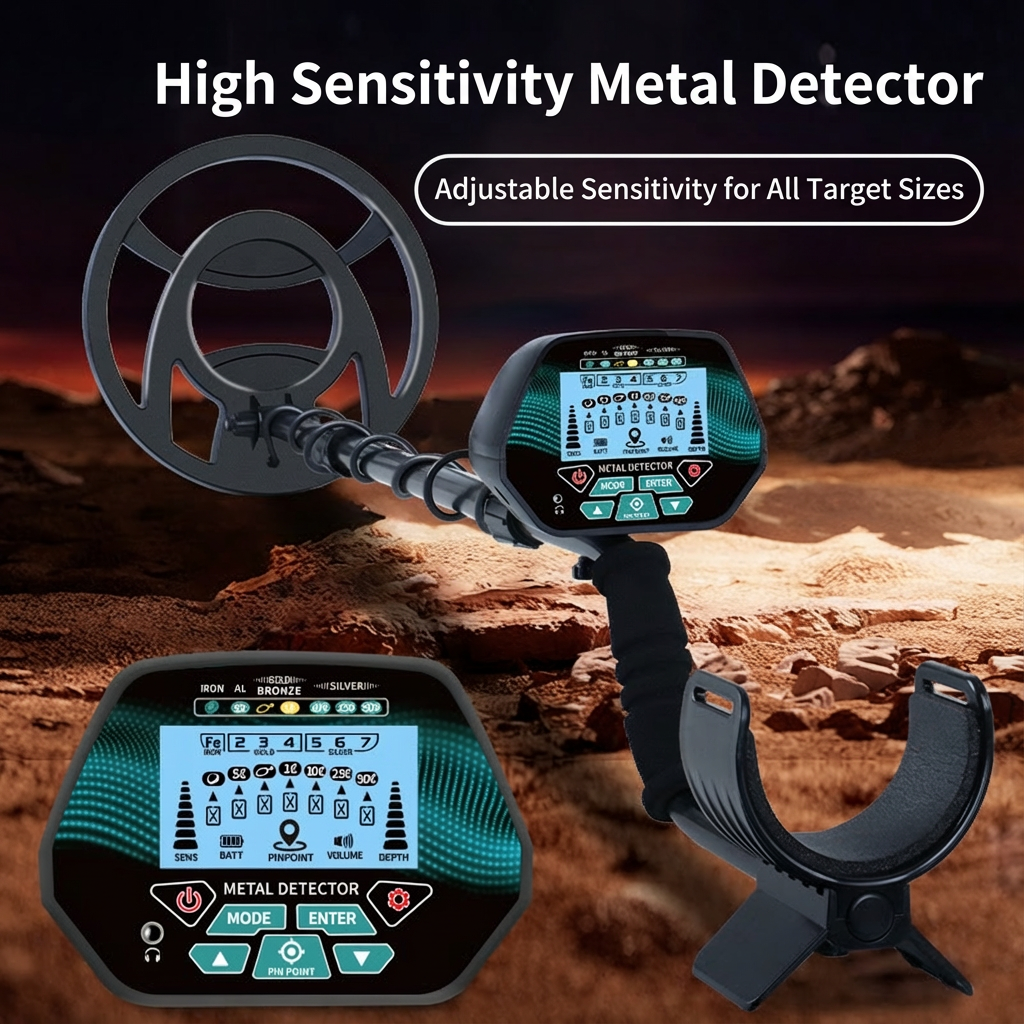

- Distinguishes five metal types for informed digging decisions
- LCD display with depth estimation prevents wasted effort
- Waterproof coil enables beach and shallow water hunting
- PINPOINT mode provides precise target location accuracy
- Adjustable sensitivity adapts to various soil conditions
- Dual audio system with speaker and headphone options
- Backlight function supports low-light hunting sessions
- 15-18cm detection depth perfect for coins and jewellery
- Intuitive control panel beginners master within minutes
- CE certified for quality and safety assurance
- Frequently out of stock due to overwhelming demand
- Available online only
Overall Analysis
In 2025, the MuxTool entry-level metal detector completely dominated the beginner’s market, achieving an impressive 97% customer satisfaction rate and becoming the top choice for newcomers serious about starting their treasure-hunting journey. This outstanding device stands out thanks to its comprehensive metal identification system, capable of detecting five different metals — gold, silver, zinc, lead, and iron — enabling beginners to decide whether a target is worth digging before they even start.
The true highlight of the MuxTool GT3028 lies in its revolutionary LCD display technology, which transforms the detecting experience from guesswork into informed decision-making. The digital screen provides real-time target depth estimates, displayed on scales of 50, 100, 250, and 500 metres, allowing users to assess whether a find is worth excavating. The metal classification scale starts with iron on the left, followed by gold, copper, and silver, making it easy even for complete beginners to identify targets on their very first outing. Adjustable sensitivity control and a dedicated pinpointing mode deliver professional-level accuracy, saving you from unnecessary digging and effort.
The waterproof coil design greatly expands the range of possible search locations, allowing beginners to explore beaches, riverbanks, shallow streams, and lakesides — places where valuable items are often lost. The detector offers a detection depth of 15–18 cm for a 25-cent coin, an excellent range for typical beginner targets such as coins, jewellery, and small artefacts. The dual alert system — combining an LCD indicator and audio alerts through the built-in speaker or a 3.5 mm headphone jack — ensures you never miss a valuable target, even in noisy environments or when using headphones.
The adjustable backlight is particularly useful in low-light conditions at dawn or dusk. Powered by two 9V batteries (not included), the detector can be used anywhere without dependence on charging stations or mains sockets. Its ergonomic design distributes weight evenly, preventing arm fatigue during long detecting sessions and allowing you to enjoy hours of comfortable treasure hunting.
Both professional detectorists and hobbyists praise the MuxTool GT3028 for offering performance on par with detectors costing two to three times as much. For beginners seeking a high-quality device without the professional price tag, it’s an exceptional value-for-money choice. The CE certification further enhances confidence in the product’s safety standards and manufacturing quality. The intuitive control panel, featuring Power, Mode, Confirm, and Pinpoint buttons, makes operation simple and straightforward — even for first-time users. Whether you’re searching for lost jewellery on the beach, exploring historical sites for artefacts, or simply enjoying outdoor treasure hunting as a relaxing pastime, this detector provides all the essential features for a successful and rewarding experience.
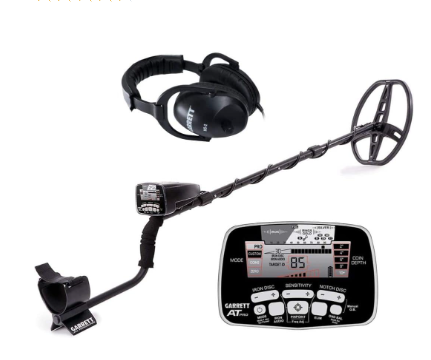
2. Garrett AT Pro Metal Detector for Beginners

A
£439.99
- Fully waterproof to a depth of 10 feet
- Comfortable weight distribution reduces fatigue during detecting
- Supplied with high‑quality MS‑2 headphones as standard
- Manual ground balance copes well with challenging environments
- High‑resolution iron discrimination minimises wasted digs
- Digital Target ID improves digging efficiency
- Professional audio mode enhances target identification
- Steeper learning curve than more basic models
- Higher price point may deter many beginners
Overall Analysis
The Garrett AT Pro Metal Detector for Beginners establishes itself as the premium choice for ambitious newcomers who regard metal detecting as a long-term pursuit rather than a casual pastime, offering professional-grade capabilities that remove the need for equipment upgrades as skills develop. The detector’s standout feature is its fully submersible design, waterproof to a depth of 10 feet, dramatically expanding search areas to include streams, shallow lakes, and coastal shorelines where countless valuable items await discovery in locations most detectorists cannot reach.
Operating at a frequency of 15 kHz, the Garrett AT Pro achieves an optimal balance between detection depth and sensitivity for commonly sought targets such as coins, jewellery, and historical relics. The Pro Mode Audio function represents a significant technological advancement, providing proportional audio feedback that varies in volume and pitch according to target size and depth, giving experienced users valuable additional information without the need for constant display checks. The high-resolution iron discrimination feature proves particularly useful in cluttered areas littered with iron objects, enabling users to distinguish valuable finds from worthless scrap with impressive precision.
The manual ground balance function gives users precise control in challenging environments with mineralised soil or saltwater conditions, situations where preset options often struggle, whilst the Digital Target ID system enhances digging efficiency by offering numerical target identification. Despite these sophisticated capabilities, the intuitive menu system remains approachable for beginners willing to spend time familiarising themselves with the controls, and the included MS-2 headphones deliver excellent audio quality straight out of the box.
The comfortable weight distribution reduces fatigue during extended detecting sessions, though the higher price point and steeper learning curve compared with entry-level models may deter some beginners. For serious newcomers ready to invest in quality equipment that develops alongside their skills, the Garrett AT Pro offers outstanding versatility and performance that more than justifies its premium price tag.
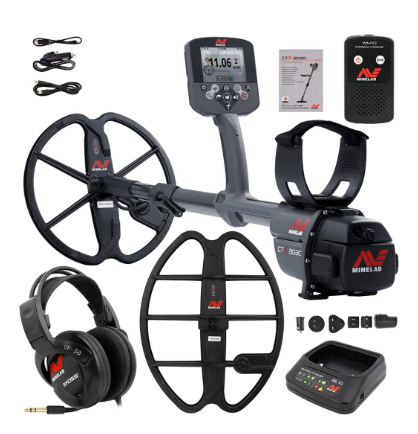
3. Minelab CTX 3030 Metal Detector for Beginners

A-
£1,939.20
- Excellent battery life for extended detecting sessions
- Five adjustable modes to suit different environments
- Detachable headphone module for added convenience
- Advanced target identification technology
- Coil cover provides water resistance
- Comfortable armrest strap helps reduce fatigue
- Additional accessories sold separately
- Lower sensitivity to smaller objects
- Rather heavy and bulky for beginners
Overall Analysis
The Minelab CTX 3030 Metal Detector for Beginners distinguishes itself primarily through its exceptional battery performance, making it ideal for enthusiasts who regularly undertake extended detecting sessions lasting an entire day without interruption. This model eliminates the frustration of cutting expeditions short due to power limitations, allowing beginners to explore for longer periods and gain more experience with each outing, thereby accelerating their learning curve considerably.
The five adjustable detection modes offer impressive flexibility, enabling users to tailor settings to specific detecting environments and target preferences. This ensures optimal performance whether searching for coins in urban parks or relics on historically significant land. Such versatility makes the CTX 3030 particularly appealing to beginners wishing to explore various forms of metal detecting without the need to purchase multiple specialised devices.
Comfort-oriented features such as the detachable headphone module and the adjustable armrest strap reflect thoughtful design for prolonged use, whilst the included coil cover provides practical water resistance, extending the detector’s usability to damp conditions and shallow water searches. However, the relatively bulky form factor may prove tiring over extended periods, potentially leading to fatigue more quickly than lighter alternatives. In addition, some users note that its sensitivity does not quite match that of competitors, particularly when detecting smaller or deeply buried objects.
Despite these minor drawbacks, the Minelab CTX 3030 offers advanced target identification technology that enables beginners to make more informed digging decisions. Nonetheless, the requirement to purchase additional accessories separately increases the overall investment beyond the initial purchase price.
4.Minelab Excalibur II 1000 Metal Detector forBeginners
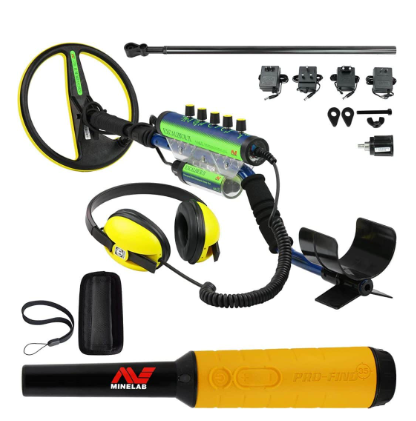

B+
£1,440
- Effectively amplifies weak target signals
- Excellent performance underwater or on wet sand
- Up to 12 hours of operation on a single charge
- Adjustable tuning control for greater precision
- Waterproof to considerable depths
- Ground balance function for mineralised conditions
- Inconsistent performance in certain soil types
- Short, fixed handle limits comfort
- Could be more durable for long-term use
- Mixed reviews regarding accuracy
Overall Analysis
The Minelab Excalibur II 1000 Metal Detector for Beginners establishes itself as a specialised detector optimised for underwater and wet sand environments, where many standard models struggle. This makes it an excellent choice for beginners primarily interested in beach and underwater detecting. Its ability to amplify weak signals provides a notable advantage in challenging conditions, particularly in saltwater environments where mineralisation often causes issues for less advanced equipment.
With an impressive 12-hour operating time per charge, this detector supports full-day beach expeditions without interruption, whilst the adjustable tuning control and ground balance features enable users to fine-tune performance according to specific terrain characteristics. The waterproof design opens up detecting opportunities in areas that many detectorists cannot access with standard equipment, offering beginners a unique entry point if they are specifically drawn to water-based detecting.
However, inconsistent accuracy reports from users suggest performance variability that may frustrate some detectorists, particularly when moving between different soil types or detecting conditions. Concerns about durability have also arisen in long-term use, raising questions about the device’s longevity under regular operation—an important consideration for beginners making their first significant investment in a detector.
The short, fixed handle limits comfort and adjustment options for users of different heights, whilst inconsistent performance in certain soil types means this detector performs best when used primarily in its intended environments—beaches and underwater locations—rather than as an all-purpose detecting solution.
5. Nokta Gold Kruzer Metal Detector forBeginners
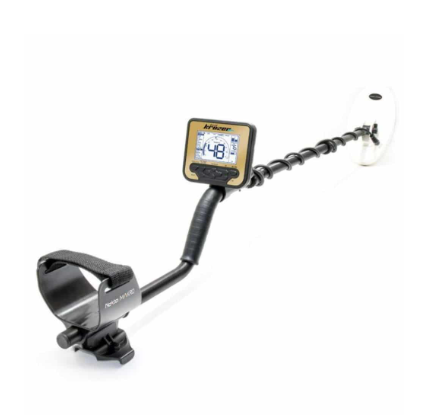
B+
£447.20
- Supplied with two coils and wireless headphones
- IP68 waterproof rating for versatile use
- 19-hour battery life for extended detecting sessions
- Ultra-lightweight design helps to reduce fatigue
- Available in a range of colours for personalisation
- Screen visibility is poor in bright outdoor conditions
- High price point for entry-level users
- No manufacturer’s warranty protection
- Some reports of inconsistent detection results
- Menu system can be complicated for beginners
Overall Analysis
The Nokta Gold Kruzer Metal Detector for Beginners stands out as a high-performance device suitable for a variety of environments, boasting an IP68 waterproof rating for operation in up to five metres of water. This makes it ideal for river, lake, or beach detecting. Its versatility allows beginners to explore multiple terrains without the need for additional equipment, whilst the ultra-lightweight design helps to reduce fatigue during extended detecting sessions.
The package includes two coils to accommodate different detection requirements, along with wireless headphones for a convenient, cable-free experience. With an impressive 19-hour battery life, it serves as a reliable companion for long days in the field. The availability of different colour options also allows for personalisation, which some users appreciate for easy equipment identification when detecting in groups.
However, the device’s high price may deter hobbyists or beginners who are uncertain about their long-term commitment to metal detecting. The touchscreen, although modern, is reported to be dim and difficult to read in bright outdoor conditions, which could prove frustrating during daytime detecting sessions—when most searches take place.
Mixed reviews regarding its performance raise concerns about detection inconsistencies, whilst the absence of a manufacturer’s warranty introduces a notable risk, as buyers have no protection against defects or performance issues. Furthermore, the complex menu system presents a steeper learning curve than more straightforward beginner models, which may discourage newcomers seeking immediate results.

Lukas Wilder
Lukas Wilder is an electronics analyst and avid explorer with over eight years of hands-on experience. Having tested more than 150 metal detectors and treasure-hunting devices, he thrives on the thrill and inspiration that come from uncovering the mysteries of the great outdoors.
∗ Recommended by over 15,000 treasure-hunting and adventure enthusiasts across Europe. ∗

Copyright © 2025 stabipro.com. All rights reserved.
This website is designed to assist users in making informed decisions online and includes information about a wide range of products and services. Certain details, including but not limited to prices and special offers, are obtained directly from our partners and are dynamic, meaning they may change at any time without prior notice.
While the information provided is based on thorough research, it does not constitute legal or professional advice, nor should it be regarded as such.
Reproduction, in whole or in part, is strictly prohibited.